








Financial markets operate across different sessions, asset classes, and economic conditions, making organized access increasingly important for modern traders. A reliable digital platform can bring market observation, chart analysis, order management, and account monitoring into one structured environment. For traders seeking convenient browser-based access, meta trader online provides a practical framework for following multiple markets while maintaining a consistent analytical routine. Its usefulness is closely connected with the quality of market information, platform functionality, execution conditions, and the trader’s own approach to risk management.
Contents
- What Does Online Trading Access Mean?
- Why Is Multi-Market Access Important?
- How Do Charts Support Trading Decisions?
- What Role Does Real-Time Market Information Play?
- How Can Traders Organize Multiple Markets?
- What Are Order Management Tools Used For?
- How Does Risk Management Influence Results?
- Can Historical Data Improve Market Research?
- Why Are Trading Records Valuable?
- How Can Online Platforms Support Consistent Workflows?
- What Should Traders Examine Before Using an Online Platform?
- What Does the Broader Market Data Suggest?
- Final Perspective
What Does Online Trading Access Mean?
Online trading access refers to the ability to connect with a trading account through an internet-enabled interface rather than depending exclusively on locally installed software. Browser-based platforms can simplify access because traders can use supported devices without maintaining a dedicated desktop installation.
The main value of online access is convenience. Market participants can review charts, monitor available instruments, examine account activity, and manage positions through a centralized interface. However, accessibility does not remove the need for careful decision-making. A platform provides tools and information; it does not determine whether a particular trade is appropriate.
Why Is Multi-Market Access Important?
Financial markets rarely move in isolation. Currency markets can respond to economic announcements, equity instruments can react to corporate developments, commodities can respond to supply conditions, and index markets can reflect broader investor sentiment.
A multi-market environment allows traders to observe these relationships from one workspace. This can improve market awareness because users do not need to treat every instrument as an independent subject.
For example, changes in commodity conditions may influence currencies connected with resource-driven economies. Similarly, movements in major indices can provide additional context when evaluating broader market sentiment. The platform therefore becomes more than an order interface; it can function as a centralized observation desk.
How Do Charts Support Trading Decisions?
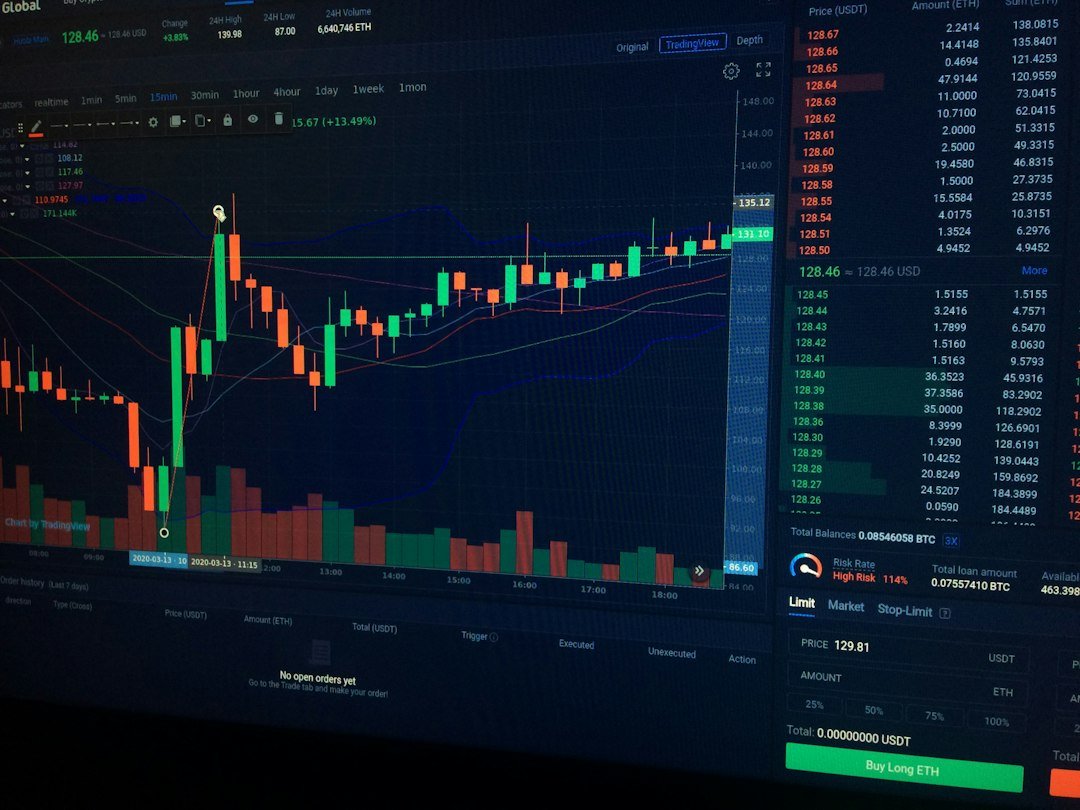
Charts convert price activity into a visual format that can be studied across different time horizons. Common chart structures allow users to identify directional movement, consolidation, breakouts, reversals, and recurring price behavior.
Technical analysis can become more organized when traders maintain consistent chart settings. Indicators, trend lines, support and resistance areas, and price structures can be combined to develop a repeatable analytical process.
However, technical tools should not be treated as automatic predictors. A chart describes historical and current market behavior, while future movement remains uncertain. The quality of an analysis therefore depends on how information is interpreted and combined with broader market conditions.
What Role Does Real-Time Market Information Play?
Timely information is central to active trading. Prices can change rapidly when economic releases, geopolitical developments, central-bank decisions, or unexpected market events affect sentiment.
An online trading platform can help traders monitor changing prices through live market information supplied by the relevant trading environment. This can support faster observation and more structured decision-making.
Nevertheless, speed should not be confused with accuracy of judgment. Receiving information quickly is useful only when traders understand what they are seeing and have a defined response process.
How Can Traders Organize Multiple Markets?
Organization becomes particularly important when several instruments are being monitored simultaneously. A practical workspace can group instruments according to market category, trading strategy, or preferred time horizon.
For instance, a trader may maintain separate watchlists for currencies, indices, commodities, and other available instruments. This reduces unnecessary chart switching and makes it easier to compare market behavior.
A structured workspace also helps reduce emotional decision-making. When information is arranged logically, traders can focus on predetermined criteria instead of reacting to every short-term movement.
What Are Order Management Tools Used For?
Order management features allow traders to define how positions are opened, modified, monitored, and closed. Depending on the trading environment, users may have access to different order types designed for specific market conditions.
Pending orders can be useful when a trader wants execution to occur only after a particular market condition develops. Protective orders can also form part of a broader risk-management process.
The important principle is that order functionality should support a documented trading plan. Using sophisticated order features without understanding their conditions can introduce unnecessary risk.
How Does Risk Management Influence Results?
Risk management remains one of the most important elements of responsible trading. A platform can provide tools for managing positions, but the trader determines how those tools are applied.
Useful practices include defining acceptable exposure before entering a trade, reviewing open positions regularly, avoiding excessive concentration, and maintaining clear exit conditions. Traders should also understand that market execution can be affected by volatility, liquidity, and other conditions.
A disciplined approach can make trading activity more measurable. Instead of evaluating decisions only by individual outcomes, traders can review whether each position followed their established process.
Can Historical Data Improve Market Research?
Historical data provides a foundation for reviewing previous market behavior. Traders can examine earlier price movements to understand how a strategy might have behaved under different conditions.
Backtesting and historical analysis can help identify weaknesses in a trading approach. They may also reveal whether a strategy depends heavily on a particular market environment.
However, historical performance does not guarantee future results. Markets evolve, and conditions that existed previously may not appear again in the same form. Statistical analysis is therefore most useful when treated as research rather than certainty.
Why Are Trading Records Valuable?
A detailed trading record can reveal patterns that are difficult to notice during active market participation. Traders can document entry reasoning, market conditions, position management, and closing decisions.
Over time, these records may show whether certain strategies perform differently across market categories or trading sessions. They can also identify repeated behavioral mistakes, such as entering without sufficient confirmation or changing a planned exit during periods of volatility.
Data-driven review turns individual trading experiences into information that can be studied and improved.
How Can Online Platforms Support Consistent Workflows?
Consistency is easier when traders follow a repeatable sequence. A typical workflow may begin with market scanning, continue with chart analysis, move into risk assessment, and finish with position monitoring and record keeping.
The platform can provide the technical environment for this process, while the trader supplies the rules.
This distinction is important because technology does not replace preparation. A sophisticated interface can display substantial information, but excessive information can also create confusion. Effective workflows prioritize relevant data and avoid unnecessary complexity.
What Should Traders Examine Before Using an Online Platform?
Users should consider several practical factors before relying on any online trading environment. These include account security, supported instruments, charting capabilities, order functionality, connectivity, device compatibility, and the terms offered by the relevant financial service provider.
It is also important to understand how market data and trade execution are delivered. Traders should review the applicable legal documentation and ensure that the service is available in their jurisdiction.
Testing platform functions through an appropriate practice environment can help users become familiar with the interface before making independent trading decisions.
What Does the Broader Market Data Suggest?
Modern trading increasingly depends on the ability to organize information across interconnected markets. Price data, economic calendars, historical records, chart structures, and account information can all contribute to a more systematic process.
The most meaningful statistic is not simply the number of instruments visible on a screen. More important is whether the available information helps traders make decisions that are consistent, documented, and measurable.
Online multi-market platforms can therefore serve as an important technological layer between market information and trading activity. Their effectiveness ultimately depends on how responsibly the available tools are used.
Final Perspective
Online access has changed how traders observe and interact with financial markets. A centralized environment can make market monitoring more convenient, support detailed chart analysis, and provide practical tools for managing positions across available instruments.
The strongest use of such technology comes from combining platform functionality with research, disciplined risk controls, historical analysis, and careful record keeping. Trading remains uncertain, regardless of the technology involved. A professional approach therefore focuses on understanding market information, controlling exposure, and maintaining a consistent decision-making process rather than relying on platform features alone.